How to Use this Toolkit
This Community-Based Landscape Regeneration Toolkit provides resources for facilitating community-oriented approaches to landscape regeneration. Compiled over three years of intensive research in the Scottish Highlands as part of the Centre for Landscape Regeneration initiative at the University of Cambridge,The project is funded by the Natural Environment Research Council’s ‘Changing the Environment’ programme and is based at the University of Cambridge (NE/W00495X/1). For more information, see https://www.clr.conservation.cam.ac.uk and https://planetarypraxis.org/projects/land-regeneration. the primary aim of this toolkit is to inform and advance practices that facilitate, support and empower community-based approaches to landscape regeneration to address the climate crisis and biodiversity loss. From flooding to wildfires and drought, the challenges of environmental change are now present and require joined-up and democratic involvement. Focusing on initiatives underway in Scotland, the toolkit is based on the view that when communities play a central role in land-based initiatives, more equitable practices and successful outcomes can be realised through greater participation with, connection to, and benefits from the initiatives.
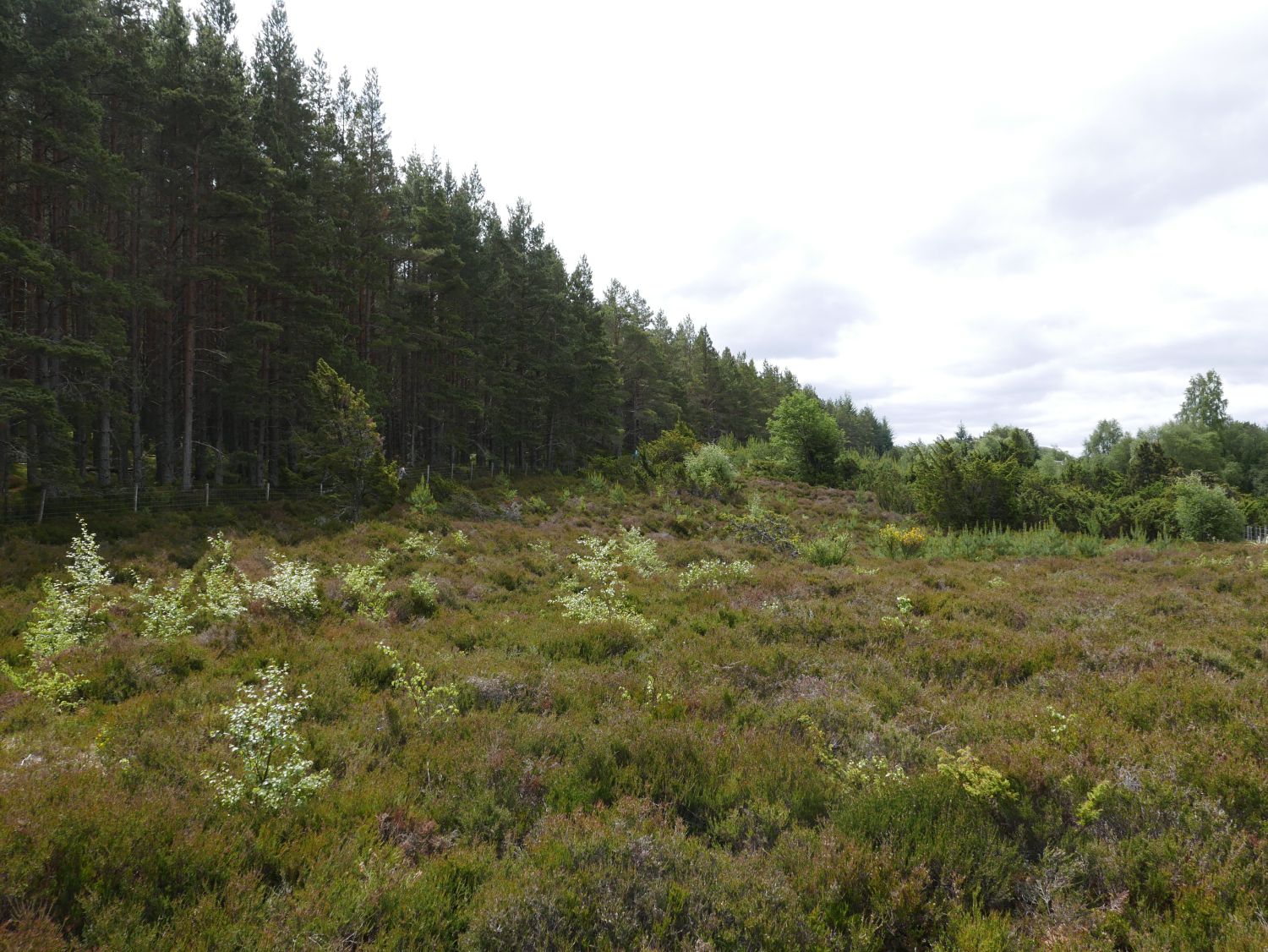
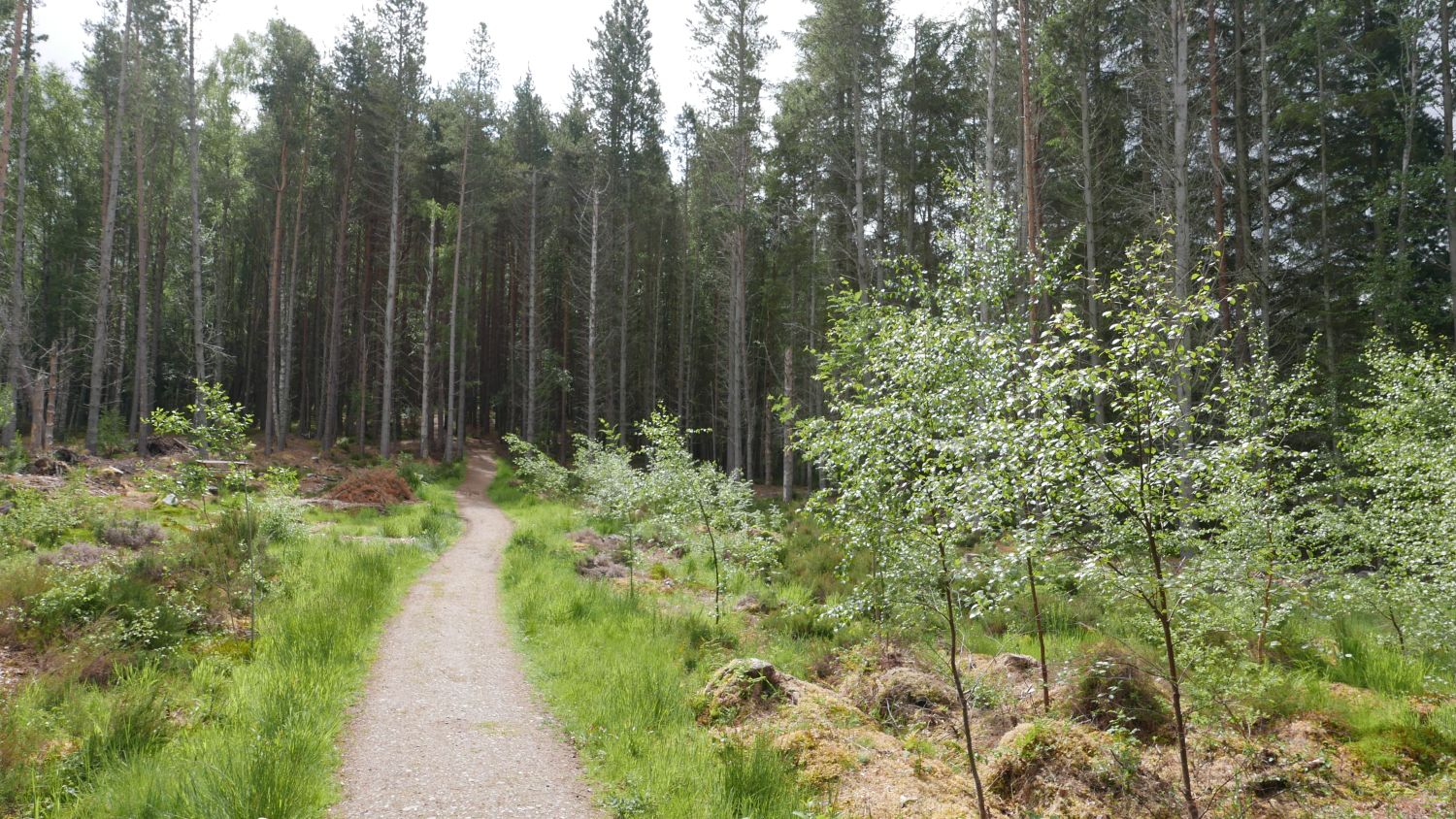
Insh Community Holdings, a 6.3-hectare woodland and grazing area in Insh, Scotland. Jennifer Gabrys, 2025.
There is a growing recognition that people and communities must be central to ambitions to regenerate land as part of more holistic, socio-ecological approaches to landscape regeneration.Erbaugh, et al., ‘Global Forest Restoration’. Restoration programmes and initiatives increasingly incorporate ambitions to deliver community benefits and forms of community engagement that incorporate local land-based knowledge. As participants emphasised in our research, a community-based approach to landscape regeneration is vital to ensuring equity, developing sustainable livelihoods and strengthening connections to the land. At the same time, questions remain about how these should be implemented to achieve community benefits, empowerment, and local governance.
Communities play an important role in the stewardship of land. Community-based approaches to governing the land can contribute to more positive environmental and social outcomes through community inclusion and governance.See: Löfqvist et al., ‘How Social Considerations Improve the Equity and Effectiveness of Ecosystem Restoration’; Dawson et al., ‘Reviewing the Science on 50 years of Conservation’. Community-based management of land can be more locally appropriate and grounded in ecological knowledge systems and practices, while providing a range of socio-economic benefits for communities.IPBES. ‘Methodological Guidance’. Community leadership and control can also provide greater legitimacy to environmental initiatives, while contributing to democratic land governance.
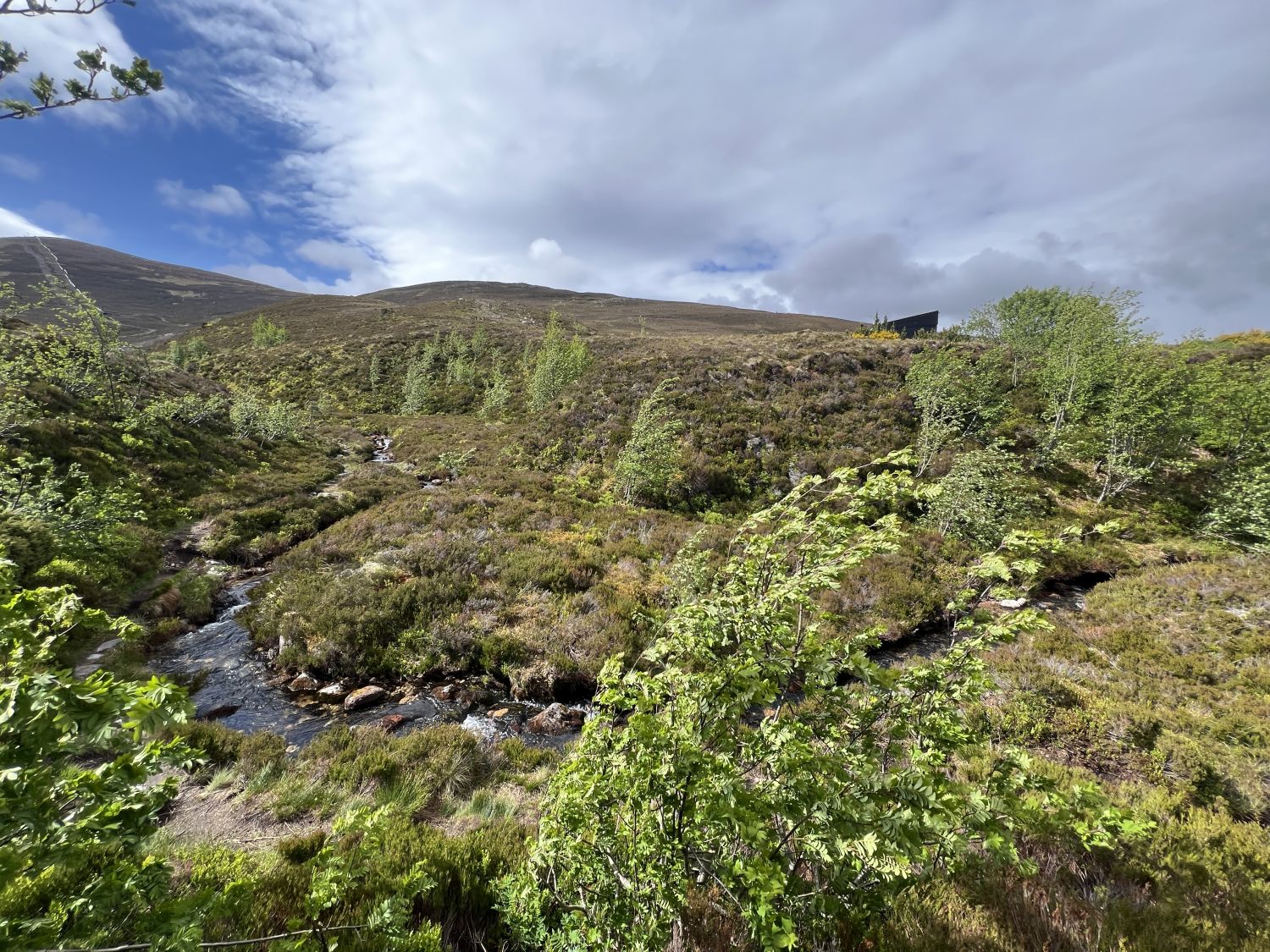
Coire na Ciste on Cairn Gorm, Scotland. Jennifer Gabrys, 2025.
In Scotland, the drive to restore nature and regenerate landscapes, as marked by the recent passing of the Nature Restoration Bill, takes place in a context in which land reform has been developing over the last three decades.Danson and Burnett, ‘Current Scottish Land Reform’; Doyle, ‘Rethinking Communities, Land and Governance’. Since the Land Reform (Scotland) Act 2003, legislative efforts have been underway to redistribute the control of Scotland’s land. A key component of the land reform policy agenda is directly supporting the growth of community-owned land in Scotland, resulting in a growth in recent years of community acquisitions tied to climate and nature recovery objectives, including through community action groups, development trusts, or community-based organisations.
Large landowners and landholders have dominated landscape regeneration initiatives in Scotland. As our research emphasises, significant barriers remain for communities to own land and to lead community-based land initiatives. In this sense, there are wider political and socio-economic challenges beyond the purview and control of communities, including land ownership and land reform, which means that communities feel disconnected from the landscape scale. Although community-led approaches and initiatives operate at more local levels, they can contribute cumulatively across the landscape and collaboratively as part of community networks.
In the process of undertaking this research, we have been guided by five key questions, which inform the findings and actions we present in this toolkit:
How do community-based approaches relate to control and ownership of the land?
How can social and economic benefits be combined with community-based landscape regeneration?
How do communities generate capacities and resources to engage with landscape regeneration and become self-sustaining?
How can community involvement in landscape regeneration become more inclusive and influential?
How can democratic renewal be combined with ecological renewal?
To address these questions, we adopt an inclusive understanding of community which incorporates a range of people and communities with connections to the Cairngorms, going beyond ‘communities of place’ to also include ‘communities of interest’ and other relevant groups, including those which may be overlooked in landscape regeneration initiatives and plans. In our research, we engaged with a broad range of stakeholders, including farmers and crofters, community-based organisations, community councils, development trusts, mountaineering and outdoor tourism professionals, youth conservation groups, renewable energy experts, third-sector organisations, land managers, elected representatives and policy bodies.
Beginning with semi-structured interviews across the Cairngorms, we asked questions related to the role of communities in landscape regeneration and the factors which may enable or constrain community-led approaches to landscape regeneration, while keeping the conversations open to further discussion that the questions might not have addressed.
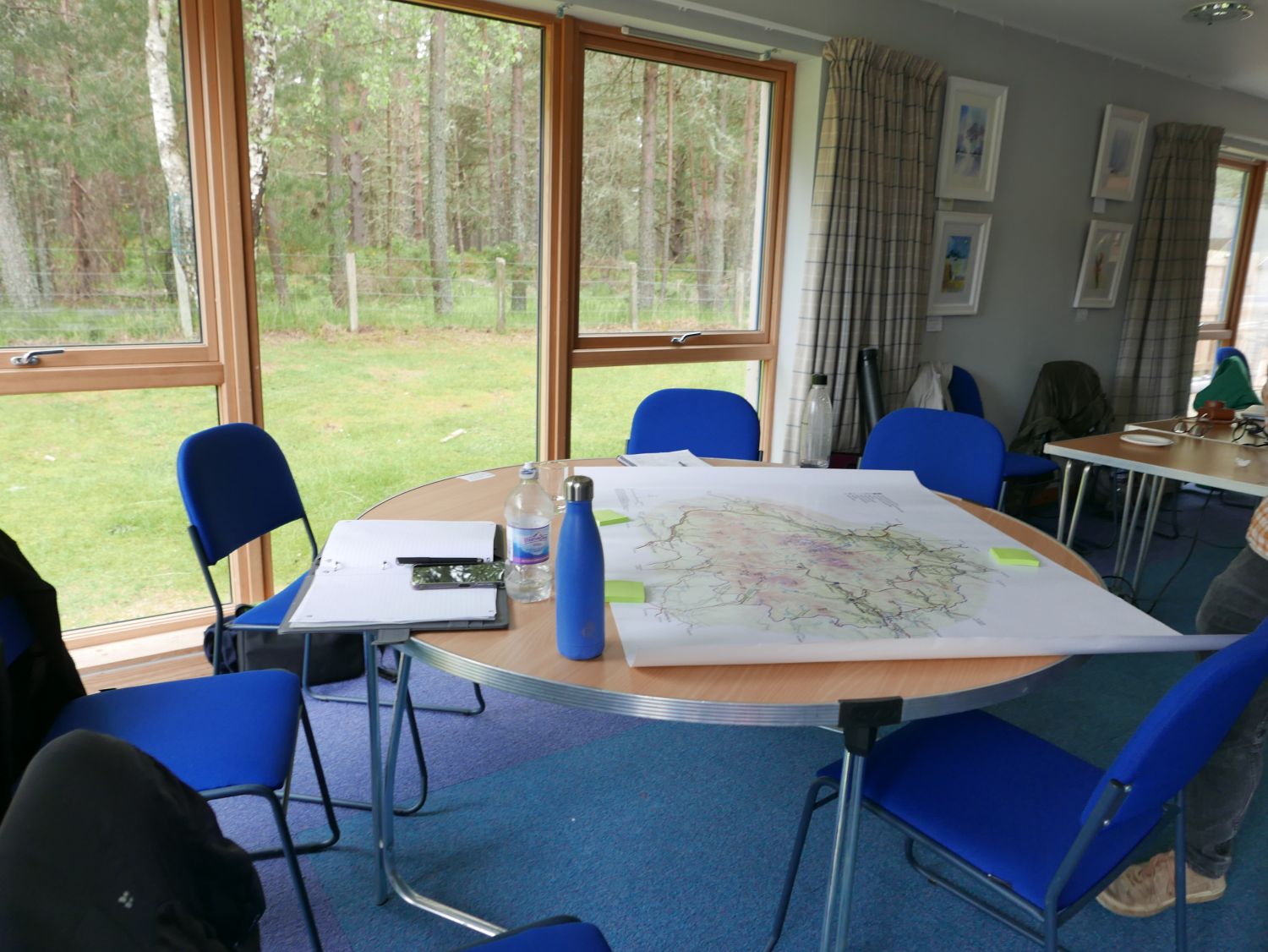
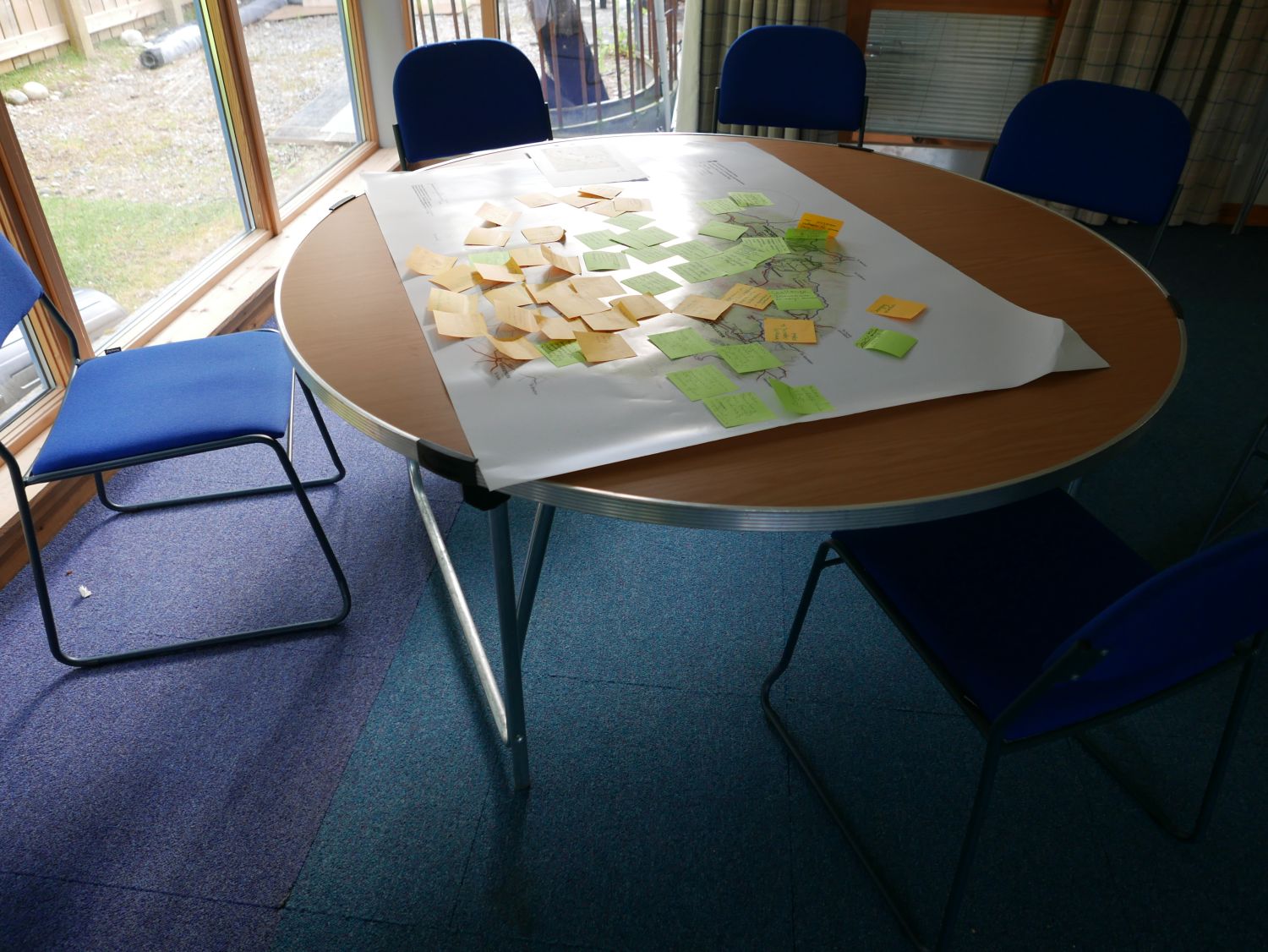
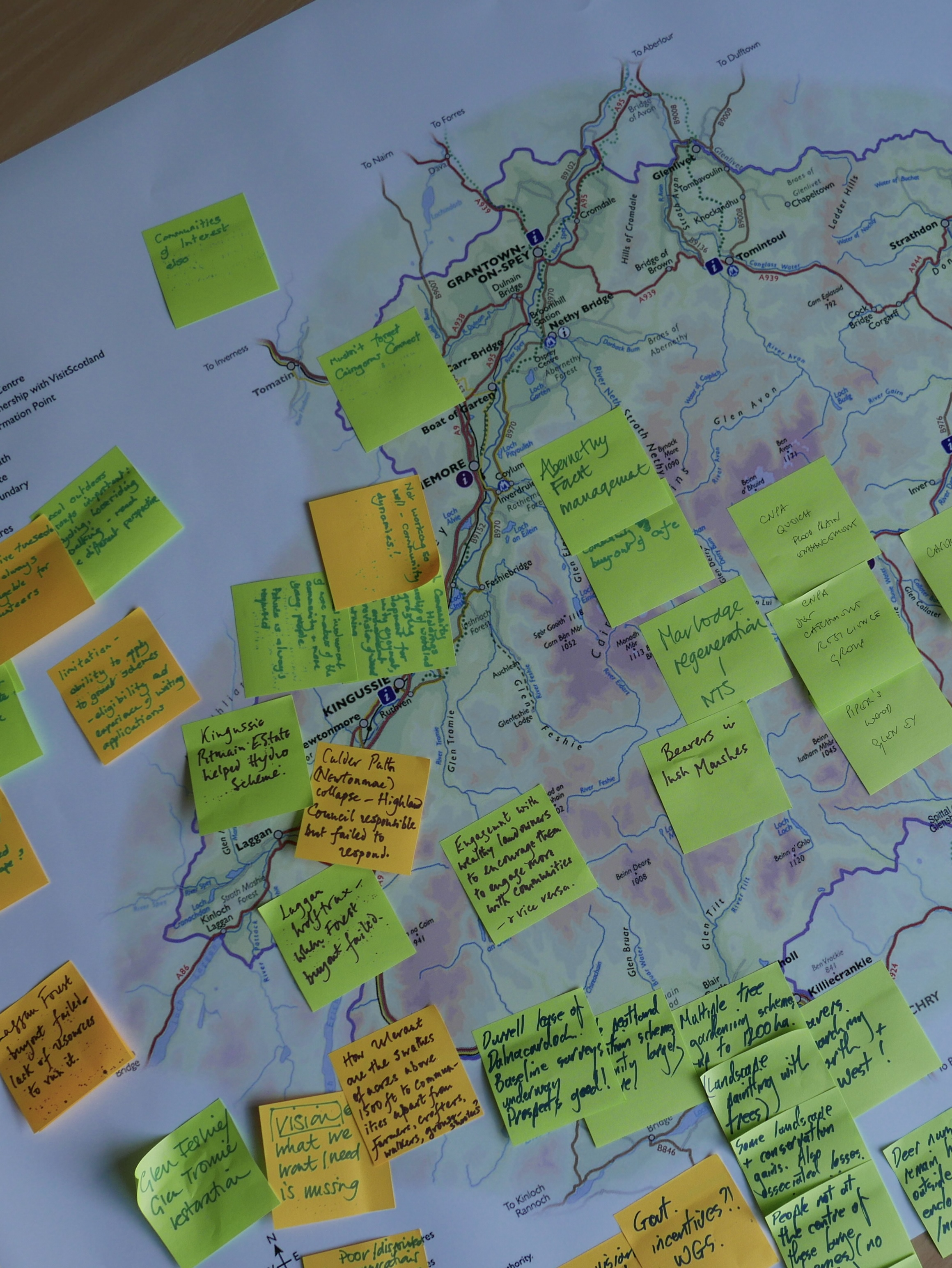
Subsequently, we undertook a series of in-person and online workshops, including participatory mapping exercises, which explored approaches to community-based landscape regeneration. These sessions included asking participants about the intersecting opportunities and barriers to developing community-based approaches to landscape regeneration. Participants identified examples on a map of the Cairngorms, and made proposals for good practices. In parallel, we undertook a scan of existing initiatives and toolkits focused on enabling community-based landscape regeneration and aligned projects. We developed a database of forty-seven toolkit cases, primarily based in Scotland and the UK. We identified key attributes across the toolkits, including focus and objectives, key actors, co-design and network building components, and intended impacts and outcomes.
Based on this research and ongoing exchanges with communities in the Cairngorms and surrounding areas, we have co-created a community-based landscape regeneration toolkit relevant to landscapes in the Cairngorms, UK and beyond. Toolkits can influence practices, stimulate change and provide resources to support users. This toolkit serves as a building block to further develop community-based approaches to landscape regeneration. It fosters mutual learning about how to advance community knowledge, practices, and perspectives in landscape regeneration efforts.
In the sections below, we provide insights from our research on approaches to community-based landscape regeneration. In the course of this research and collective conversations, we have learned about many inspiring community initiatives that are enhancing land and livelihoods in the Cairngorms. At the same time, research participants identified several concerns and challenges that can impede community involvement or benefits from landscape regeneration. We outline these challenges in our key findings and identify ways existing initiatives are working to address and overcome current limitations. Responding to the above guiding questions, our key findings inform the toolkit’s structure, providing a resource and record of collective conversations about community-based projects underway, the strategies they have adopted, and the challenges they have faced.
We discuss five landscape regeneration stories that show how community-based landscape regeneration relates to themes around land control and ownership, social and economic benefits, building community capacities, strengthening community participation, and democratic renewal. The stories offer more in-depth insights into the project findings, drawing from examples of how communities have led and initiated projects in the Cairngorms. Next, in the review of community and environment toolkits, we analyse how toolkits can be used to gather resources to support the development of community capacities for undertaking landscape regeneration projects. This review forms a sort of ‘toolkit of toolkits’ by collecting and synthesising resources and highlighting how these toolkits could support community initiatives, while addressing existing gaps in the area. Finally, based on community input and co-creation workshops, we have developed a set of key aims and action points to synthesise and advance community-based landscape regeneration initiatives.
We hope this toolkit can inform and advance practices that facilitate, support and empower community-based approaches to landscape regeneration. While we synthesise the contributions of toolkits in Scotland, the UK and beyond that broadly operate in the sphere of community and environment, this is the first toolkit to specifically address community contributions to landscape regeneration. The toolkit offers the following resources for communities and other stakeholders:
As a mutual learning resource, across communities and different themes, identifying sets of opportunities and barriers for communities (findings/stories).
Providing a resource for communities to identify and navigate existing toolkits, resources, and forms of support (toolkit review)
Synthesising and expressing community voices, needs and aspirations around effective engagement with landscape regeneration, which could be used as a resource for campaigning and mobilising initiatives (aims and actions)
Weaving together different forms of community-based landscape regeneration to share insights from different initiatives and contribute to network-building (toolkit as a whole)
This toolkit can be used by a wide range of stakeholders, where certain components of the toolkit are likely to have greater relevance for certain groups. In particular, the key aims and action points are primarily oriented toward policymakers, governmental bodies, and third-sector organisations, while the community and environment toolkit review can be useful for eNGOs and third-sector organisations to make sense of existing toolkit resources.
For communities and community-based organisations, various aspects of the toolkit will be relevant and useful in different ways. Communities can learn from one another through the landscape regeneration stories where the toolkit works as a mutual learning resource, identifying prominent opportunities and barriers for community-based landscape regeneration across the landscape, and how some of the barriers may have been addressed by different initiatives. While some aims and action points may be outside of communities’ direct control, these can be drawn upon by community groups and community councils as campaign materials for advocating on issues around community and land to policy bodies, local authorities and wider supporting organisations. The aims and actions can also be used as building blocks and supporting materials for communities to develop visions, planning or other forms of collective expression.
Although multiple grassroots initiatives are underway in Scotland, there is a need to create additional resources, practices and learning for bottom-up and community-based approaches to regenerating the land.